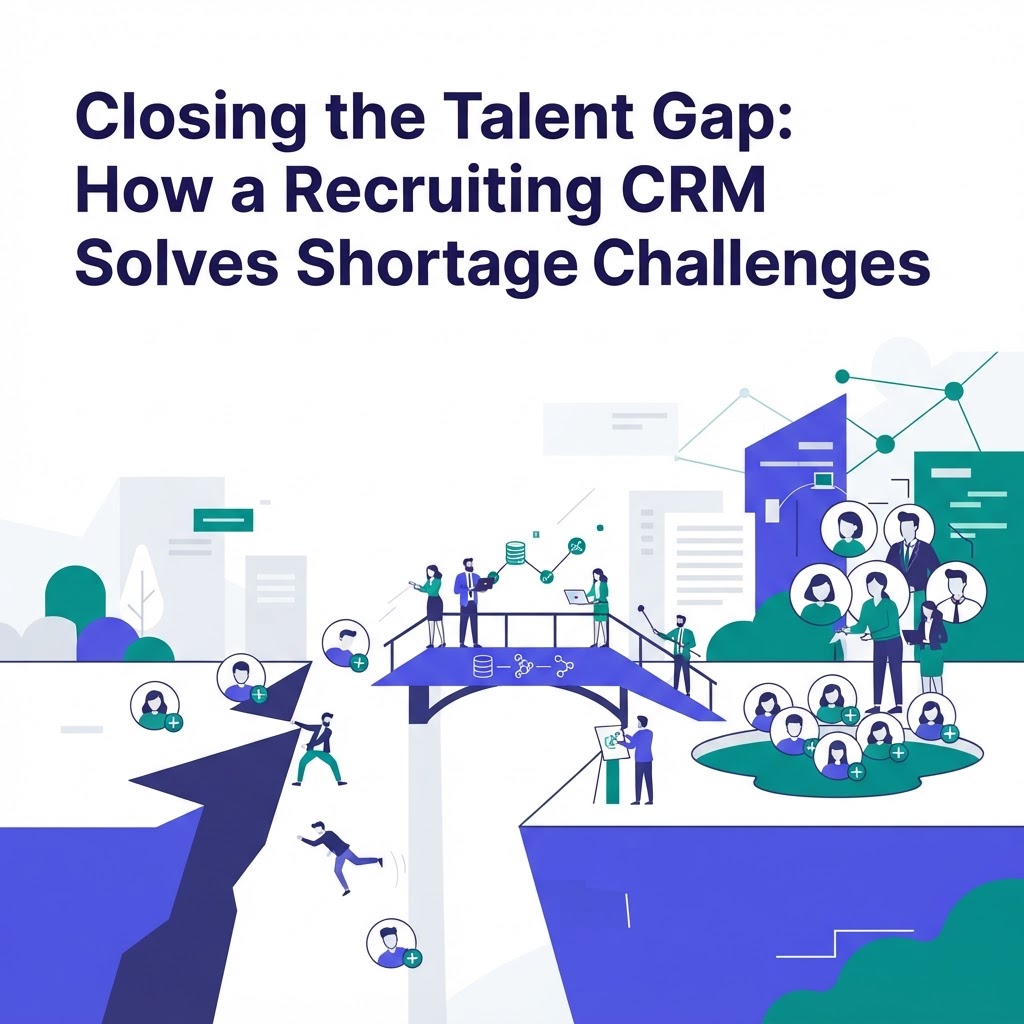
The modern labor market is characterized by a persistent imbalance: high demand for specialized skills and a dwindling supply of active, qualified candidates. As traditional job boards yield diminishing returns, companies are finding that posting a job and waiting for applicants is no longer a viable strategy. The talent shortage is real, but for many organizations, the crisis is exacerbated by operational inefficiencies rather than a true lack of people. When recruiters lose touch with high-quality candidates or fail to nurture passive prospects, they are essentially leaking potential revenue. The solution lies in shifting from a reactive application-processing model to a proactive, relationship-driven recruitment strategy powered by a robust recruiting CRM.
The Cost of the Passive Candidate Blind Spot
Most organizations treat recruitment as a transactional event. When a position opens, they search for someone to fill it, hire, and then move on. This approach ignores the reality that 70% of the global workforce consists of passive candidates who are not actively applying for jobs but are open to hearing about the right opportunity. Without a dedicated system to track these individuals, recruiters lose valuable connections. RecruitingCRMFlow solves this by acting as a centralized repository where passive leads are nurtured over time. Instead of losing contact with a strong lead after one email, recruiters can tag, segment, and automate communication sequences, ensuring that when the right role finally opens, the candidate is already familiar with your brand.
Transforming Sourcing from Luck to Data-Driven Strategy
Proactive sourcing requires more than just a LinkedIn Recruiter license; it requires a structured approach to data. Many recruiting teams waste hours manually updating spreadsheets that quickly become obsolete. A recruiting CRM changes the landscape by automating data entry and candidate tracking. When you use a platform like RecruitingCRMFlow, every interaction—from initial outreach to follow-up calls—is documented in real-time. By leveraging this data, you can identify which sourcing channels provide the highest quality of candidates and focus your budget there. This precision allows small teams to achieve the reach of larger departments by spending their time engaging with high-probability leads rather than hunting for contact information.
Nurturing Talent Communities to Build a Talent Pipeline
Talent scarcity is often a symptom of poor engagement rather than a lack of market availability. High-performing companies maintain 'talent pools'—communities of interested, qualified professionals who may not be ready to move today but could be in six months. Without a CRM, maintaining these relationships is nearly impossible; recruiters simply don't have the bandwidth to manually email hundreds of prospects periodically. RecruitingCRMFlow enables automated, personalized drip campaigns that keep your company top-of-mind. This consistent touchpoint keeps the relationship warm, ensuring that when a candidate finally decides to leave their current role, yours is the first company they contact.
Reducing Time-to-Hire Through Automation
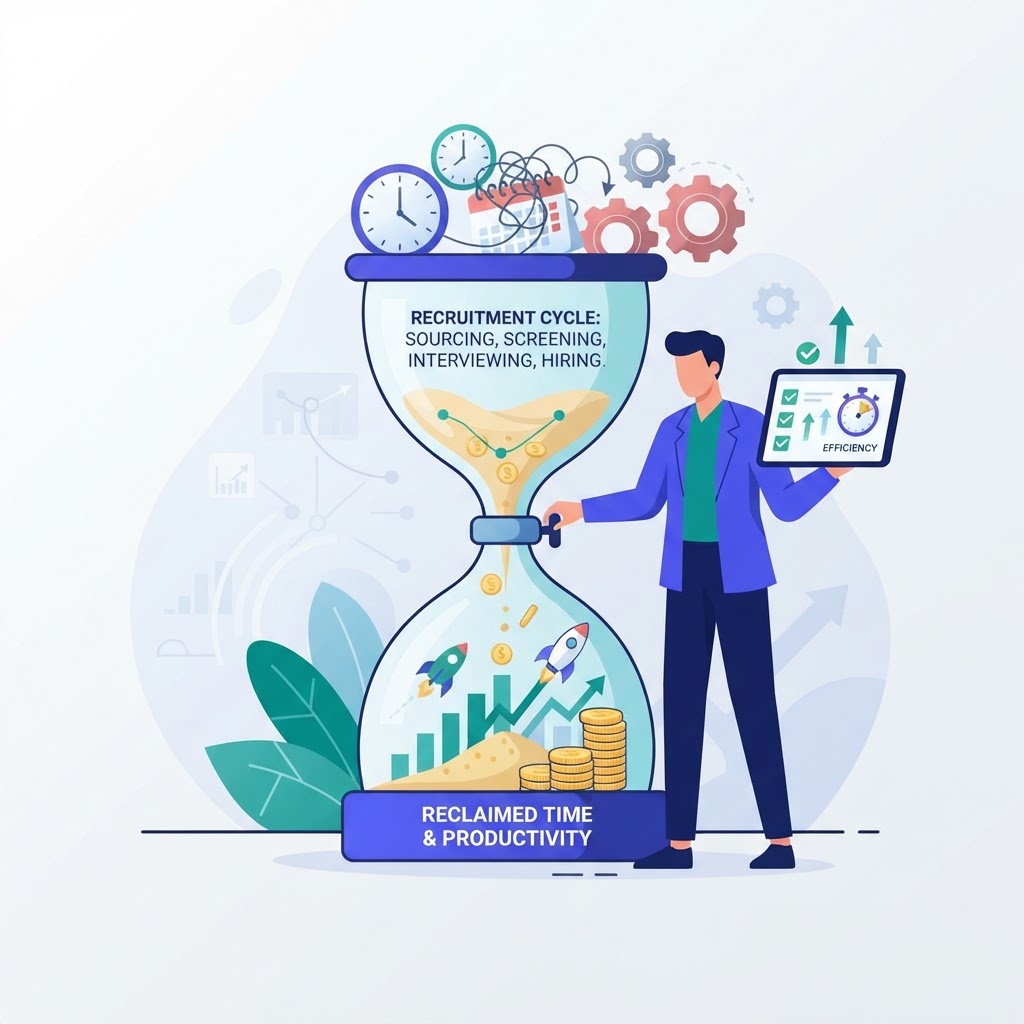
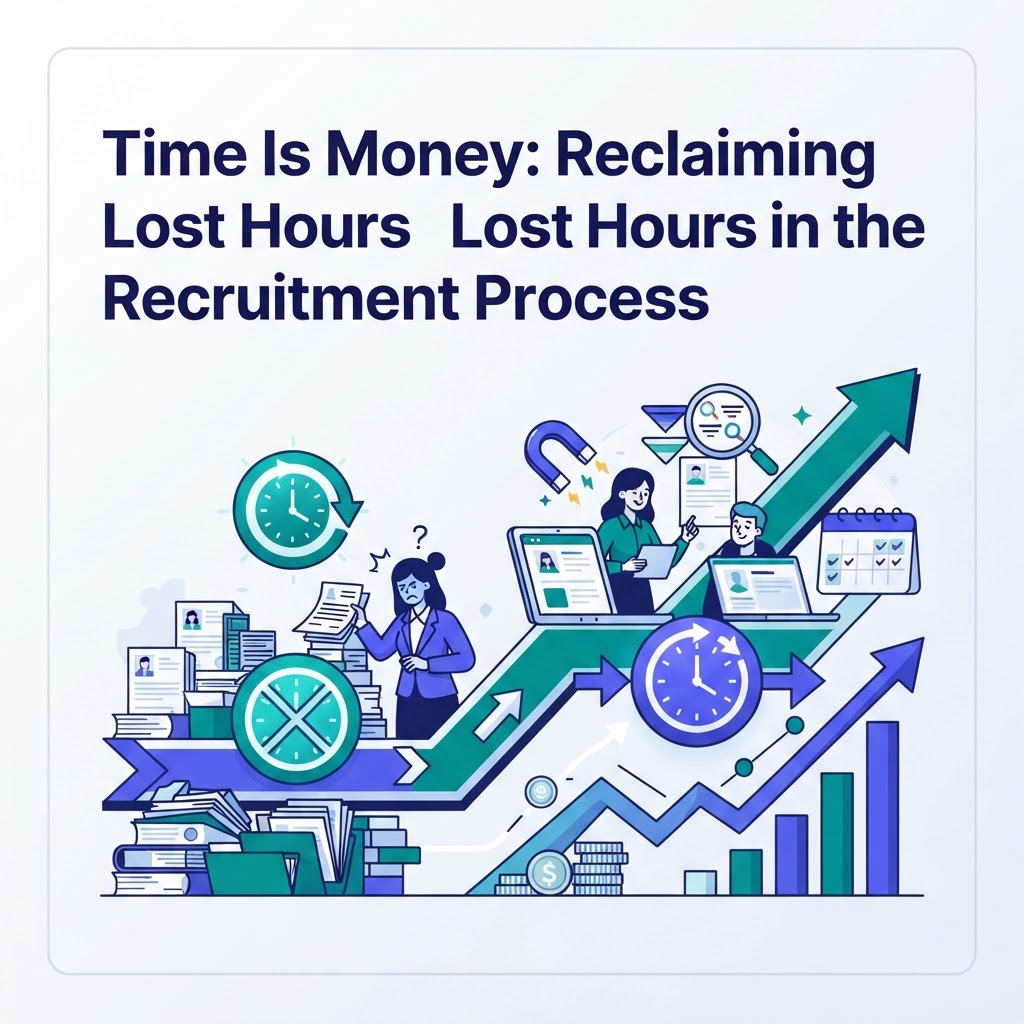
One of the most significant metrics in recruitment is time-to-hire. In a competitive market, top-tier talent is off the market in as little as ten days. If your internal process is bottlenecked by manual scheduling, slow document sharing, or disorganized feedback loops, you will lose your best candidates to faster competitors. A recruiting CRM streamlines the entire workflow by integrating ATS functionality with automated reminders and standardized assessment templates. By reducing administrative friction by 30% to 50%, your recruiters regain the hours they need to focus on what matters most: interviewing, negotiating, and closing top candidates.
Centralizing Knowledge to Prevent Institutional Loss
How many times has a recruiter left your organization and taken all their candidate relationships with them? Without a central system, institutional knowledge is lost the moment an employee logs off for the last time. A CRM provides a single source of truth for your entire hiring ecosystem. Every note, resume, and conversation history remains with the company, not the individual. This continuity is essential for long-term growth. Even as your team scales, RecruitingCRMFlow ensures that no lead is ever truly 'lost,' allowing new recruiters to pick up where others left off, thereby maintaining the integrity of your talent pipeline regardless of turnover.
Conclusion: Build a Sustainable Hiring Engine
Solving the talent shortage requires a fundamental shift in perspective. Instead of chasing short-term fixes, businesses must invest in long-term relationship management. By utilizing a recruiting CRM like RecruitingCRMFlow, you stop treating recruitment as a series of disconnected tasks and start managing it as a strategic asset. By proactively nurturing passive talent, automating administrative workflows, and centralizing your candidate data, you build a resilient, scalable hiring engine that functions even in the tightest labor markets. Don't let your next great hire go to a competitor simply because you couldn't keep in touch.