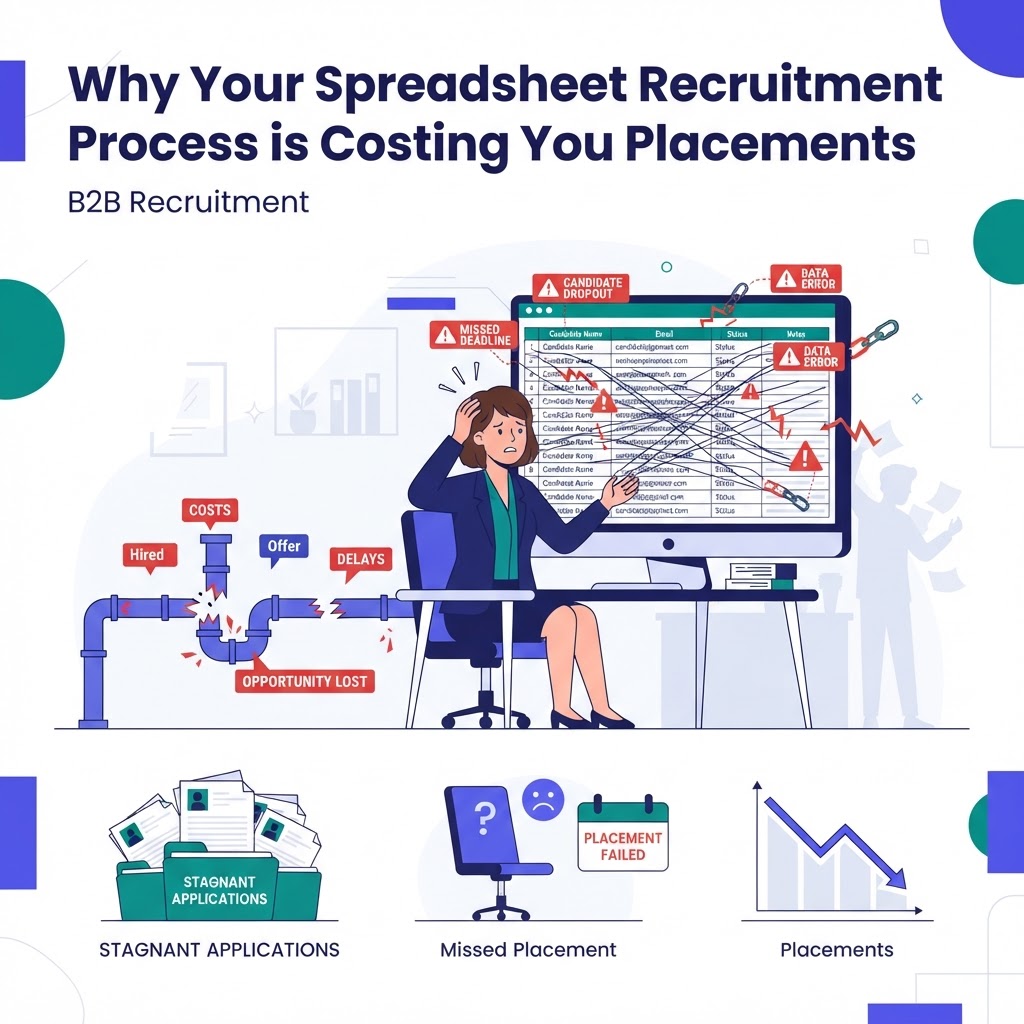
In the hyper-competitive landscape of modern talent acquisition, the difference between closing a placement and losing a candidate often comes down to timing and visibility. Many recruiters operate out of fragmented spreadsheets, scattered email threads, and mental to-do lists, unaware that they are essentially running their business with a massive, invisible leak in their pipeline. When you lack a centralized system, high-quality candidates don't just stay in the market; they are snapped up by competitors who simply move faster and maintain better engagement.
The Cost of the Invisible Pipeline Leak
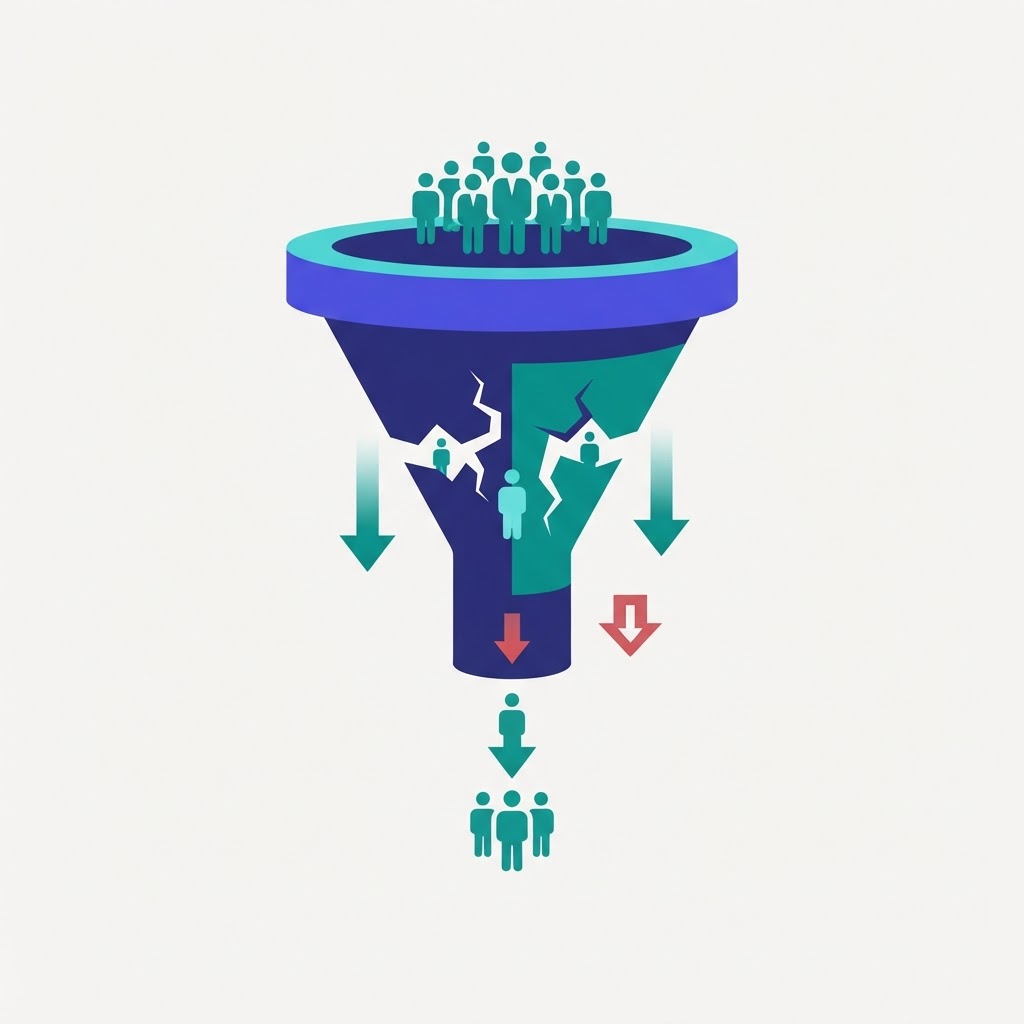
Every day that a candidate sits in an unorganized folder or an unanswered email thread is a day your firm loses potential revenue. Industry data suggests that top-tier talent stays on the market for an average of just 10 days. If your manual tracking process takes 48 hours to update a status or initiate a follow-up, you have already wasted 20 percent of your window. These delays aren't just minor inconveniences; they are structural failures that lead to 'candidate ghosting' and attrition. When a candidate feels that their application has fallen into a black hole, they lose trust in the recruiter's ability to represent them to top employers.
Why Spreadsheets Fail at Scale
Many agencies start with spreadsheets because they are free and familiar, but as your candidate pool grows into the hundreds or thousands, spreadsheets become liabilities. They lack real-time data, offer no automation for engagement, and cannot facilitate the nuanced communication required for high-level recruiting. Relying on manual updates means that critical data points—like salary expectations, notice periods, or cultural fit preferences—remain buried in individual cells rather than serving as actionable insights. This manual overhead steals precious hours from your day that could be better spent on candidate relationship building.
Plugging the Leaks with RecruiterCRMFlow
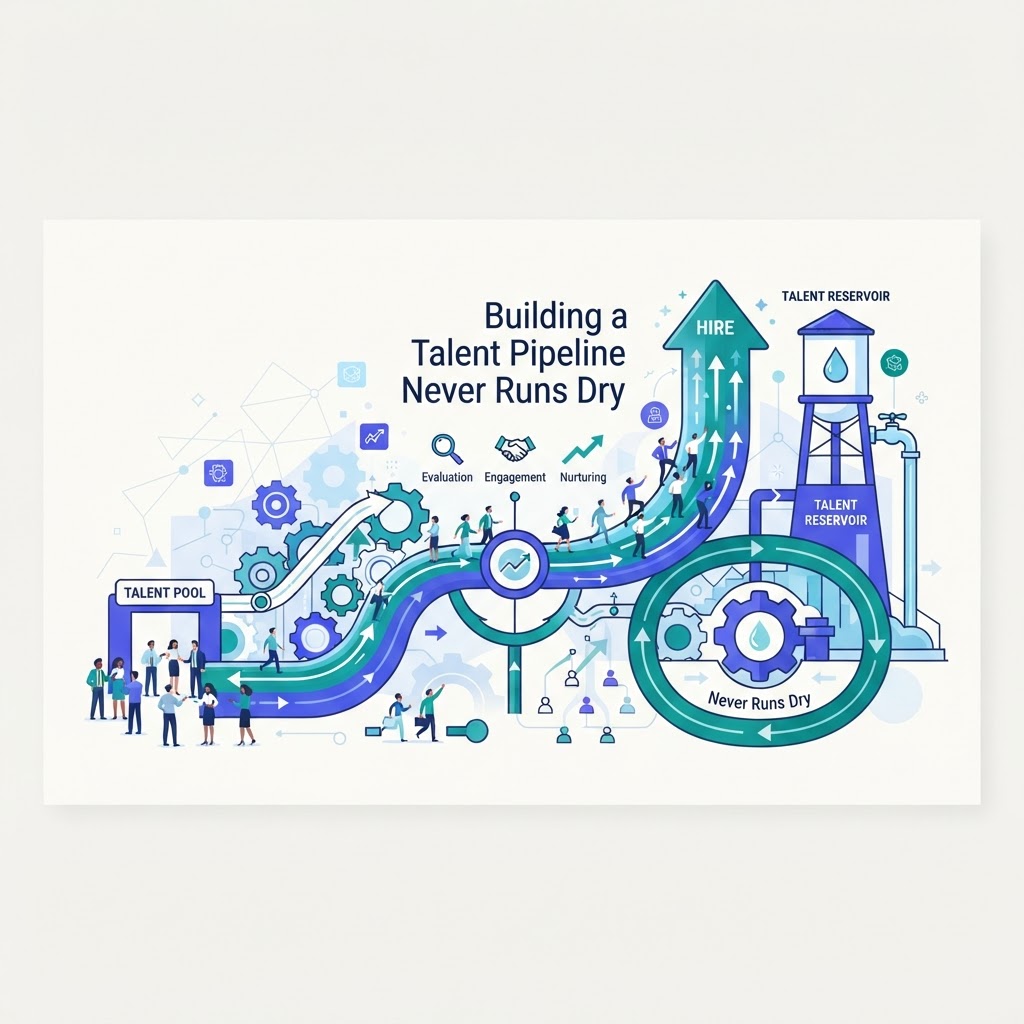
RecruiterCRMFlow was specifically engineered to solve the problem of fragmented recruitment workflows. By transitioning from manual tracking to an integrated recruiting CRM, you gain a "single source of truth" for every candidate interaction. The platform identifies where candidates are stalling and triggers automated reminders for your team to check in, ensuring that no lead ever goes cold. With RecruiterCRMFlow, you transform your pipeline from a passive list into a dynamic engine of engagement.
The Power of Automated Candidate Nurturing
Top talent requires consistent, value-added communication. A CRM allows you to move beyond simple follow-up emails by automating personalized engagement tracks. You can segment your candidates by industry, seniority, or skill set and deliver targeted content that keeps you top-of-mind even when there isn't an active role on the table. Consider the impact of these features:
- Automated reminders for follow-ups at key milestones.
- Centralized communication logs so any team member can pick up a conversation seamlessly.
- Analytics dashboards that highlight exactly which stage of the process is causing candidate drop-off.
- Unified candidate profiles that display entire history, preventing redundant questions.
Data-Driven Decisions Over Gut Feelings
When your pipeline is tracked in a robust CRM, your decision-making becomes data-driven rather than reactive. You can track metrics like Time to Hire, Pipeline Velocity, and Source of Hire with a single click. Instead of guessing why a candidate didn't move forward, you can analyze the feedback loops captured within the system to adjust your screening criteria. RecruiterCRMFlow provides the granular visibility needed to optimize your entire recruiting process, allowing you to double down on high-converting sourcing channels and cut ties with those that underperform.
Conclusion: Build a Sustainable Recruiting Future
Recruiting is fundamentally a relationship business, but in the digital age, those relationships must be supported by reliable technology. If you are struggling with missed opportunities and inefficient workflows, it is time to stop the bleed. By implementing a dedicated CRM, you professionalize your operation, provide a superior experience for your candidates, and ensure that your hard-earned talent stays in your pipeline until they are placed. Don't let another top-tier candidate slip through the cracks—it is time to centralize your process and win more placements.