In today’s hyper-competitive hiring landscape, the difference between landing a high-impact hire and watching them sign with a competitor often comes down to speed and organization. If your agency still relies on a chaotic blend of spreadsheets, email threads, and sticky notes, you are likely suffering from significant pipeline leaks. These leaks aren't just minor inconveniences; they represent the loss of billable revenue and damage to your reputation as a premier talent partner.
The Anatomy of a Pipeline Leak
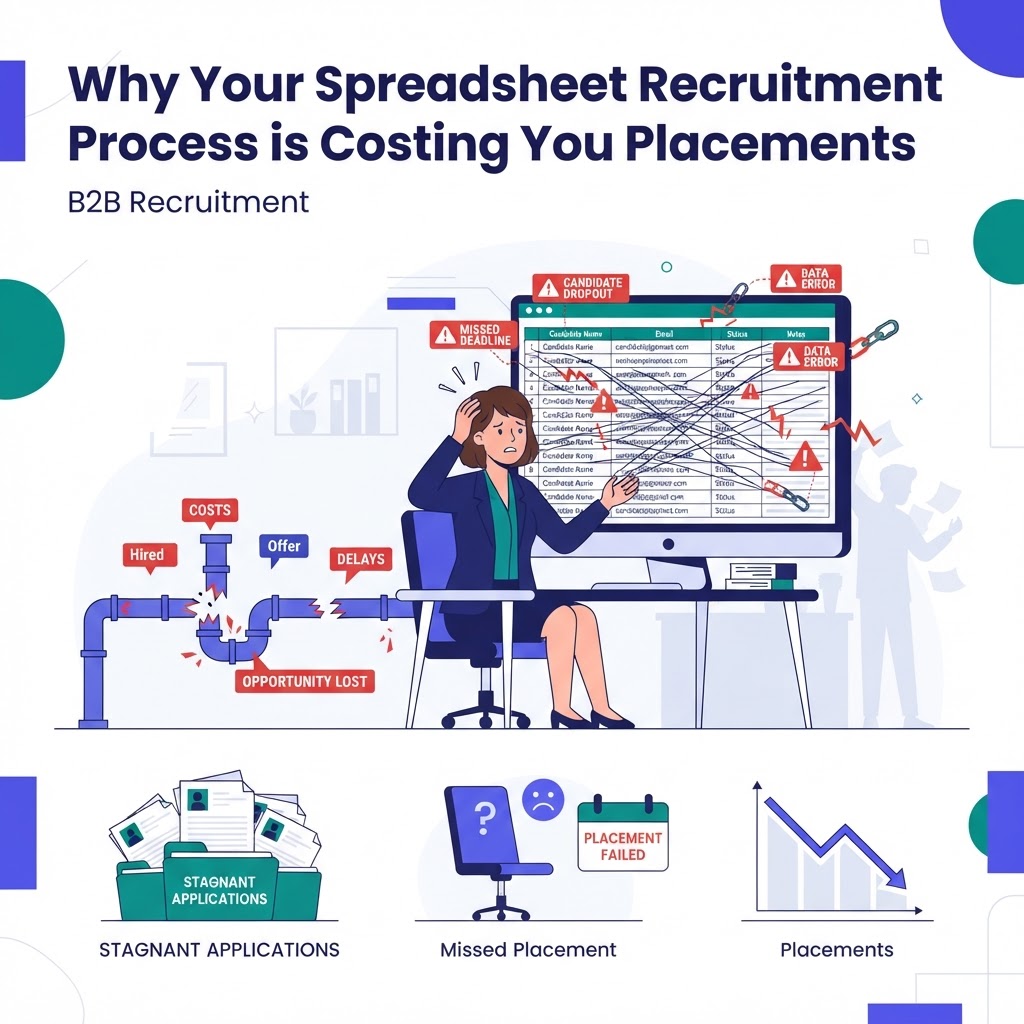
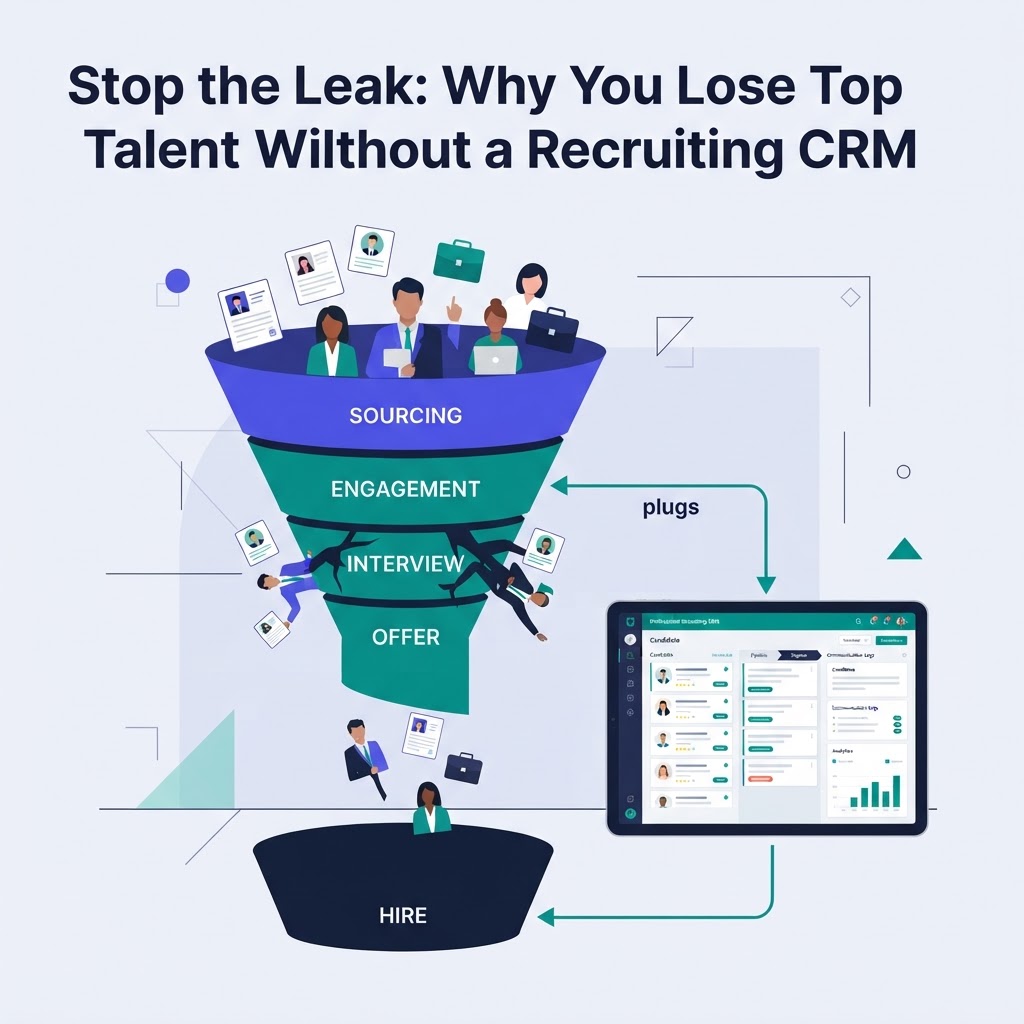
Pipeline leaks occur when candidates fall through the cracks because the recruitment process lacks a centralized system of record. Research indicates that top-tier candidates are often off the market within ten days. When a recruiter has to manually search through scattered inbox messages to find a candidate's status, or when follow-up tasks are forgotten because they weren't logged, that ten-day window slams shut. You aren't just losing a candidate; you are losing the trust of the hiring manager who expects you to deliver.
The Cost of Disorganized Communication
Communication is the lifeblood of recruitment. When candidate interactions happen in silos, you face the 'ghosting' epidemic. A candidate who feels ignored because a recruiter forgot to send a timely update will quickly disengage. By implementing a recruiting CRM like RecruiterCRMFlow, every interaction—from the first outreach email to the final interview feedback—is tracked automatically. This ensures that no candidate is ever left wondering where they stand, maintaining the high-touch experience that top talent expects.
Data Visibility and Actionable Insights
Without a dedicated CRM, recruiters are essentially flying blind. You might know you have 'a lot' of candidates, but do you know how many are stuck in the screening stage? Do you know which channels produce your highest quality hires? Without data, you cannot optimize your process. A robust CRM provides a bird’s-eye view of your entire talent pool. With RecruiterCRMFlow, you can identify exactly where candidates are dropping off, allowing you to refine your messaging or interview process in real-time.
Scaling Success Through Automation
Manual tracking is a scalability killer. As your agency grows, the sheer volume of data makes human error inevitable. Automation is the antidote to this complexity. By utilizing a recruiting CRM, you can automate:
- Candidate nurture sequences to keep warm leads engaged.
- Interview scheduling to eliminate back-and-forth email chains.
- Task reminders so recruiters never miss a follow-up deadline.
- Compliance tracking to ensure all hiring data is stored securely.
By offloading these repetitive administrative tasks to RecruiterCRMFlow, your team gains hours of productive time back every week, which can be redirected toward building deeper relationships with high-value candidates.
Building Long-Term Talent Communities
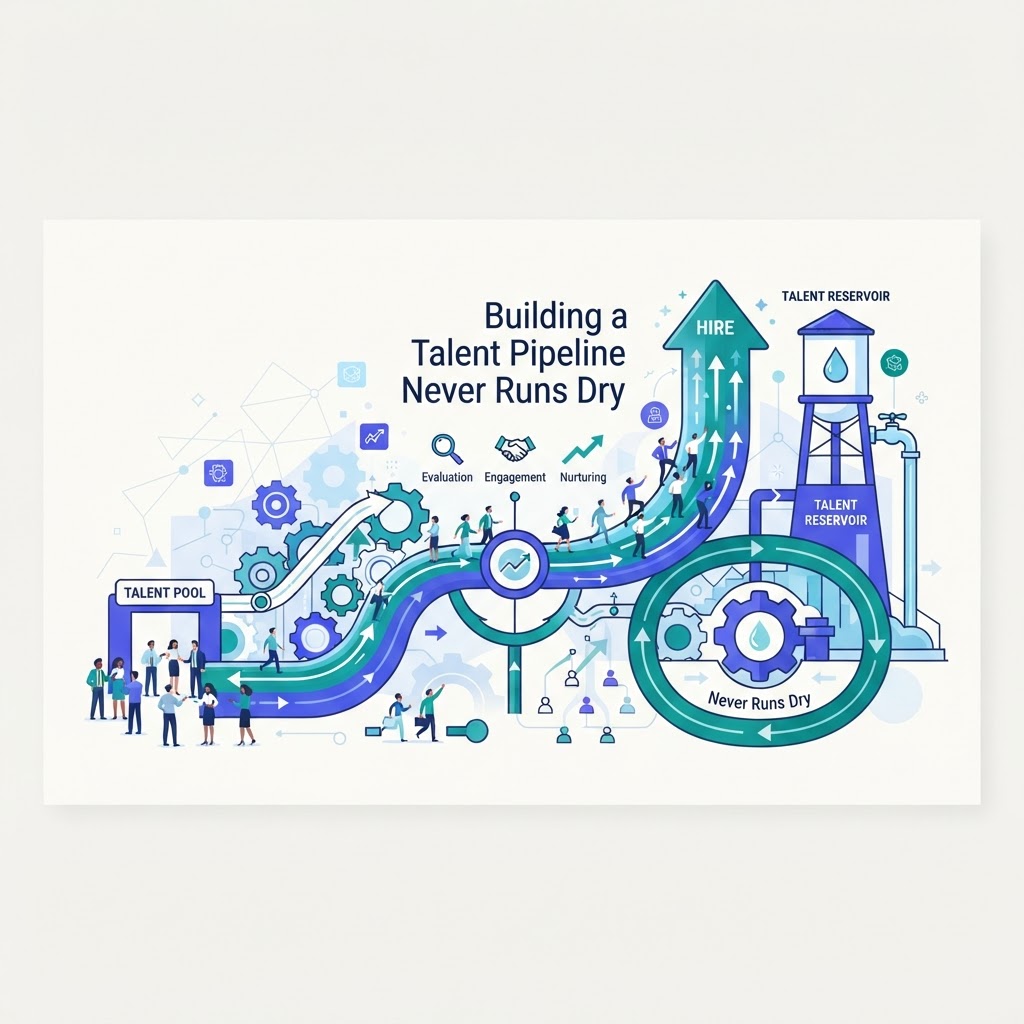
One of the biggest mistakes in recruitment is treating candidates as one-off transactions. Top recruiters know that candidates are relationships to be cultivated over years. When you lose a candidate because they weren't the right fit for Role A, a CRM allows you to tag them for Role B in the future. Without a system, that candidate’s profile is forgotten in a dead email folder. RecruiterCRMFlow transforms your database into a living talent community, ensuring you have a deep bench of qualified professionals ready the moment a new requirement opens.
Conclusion: Choosing Systemic Growth
Retaining top talent requires more than just persuasive sales skills; it requires an operational infrastructure that supports speed, accuracy, and consistent engagement. Pipeline leaks are not a sign of poor recruiting talent—they are a symptom of a poor system. By integrating a specialized recruiting CRM like RecruiterCRMFlow, you stop the bleed, optimize your candidate experience, and ultimately, close more placements. If you are serious about scaling your agency, it is time to move beyond the spreadsheet and embrace the power of a dedicated recruiting platform.