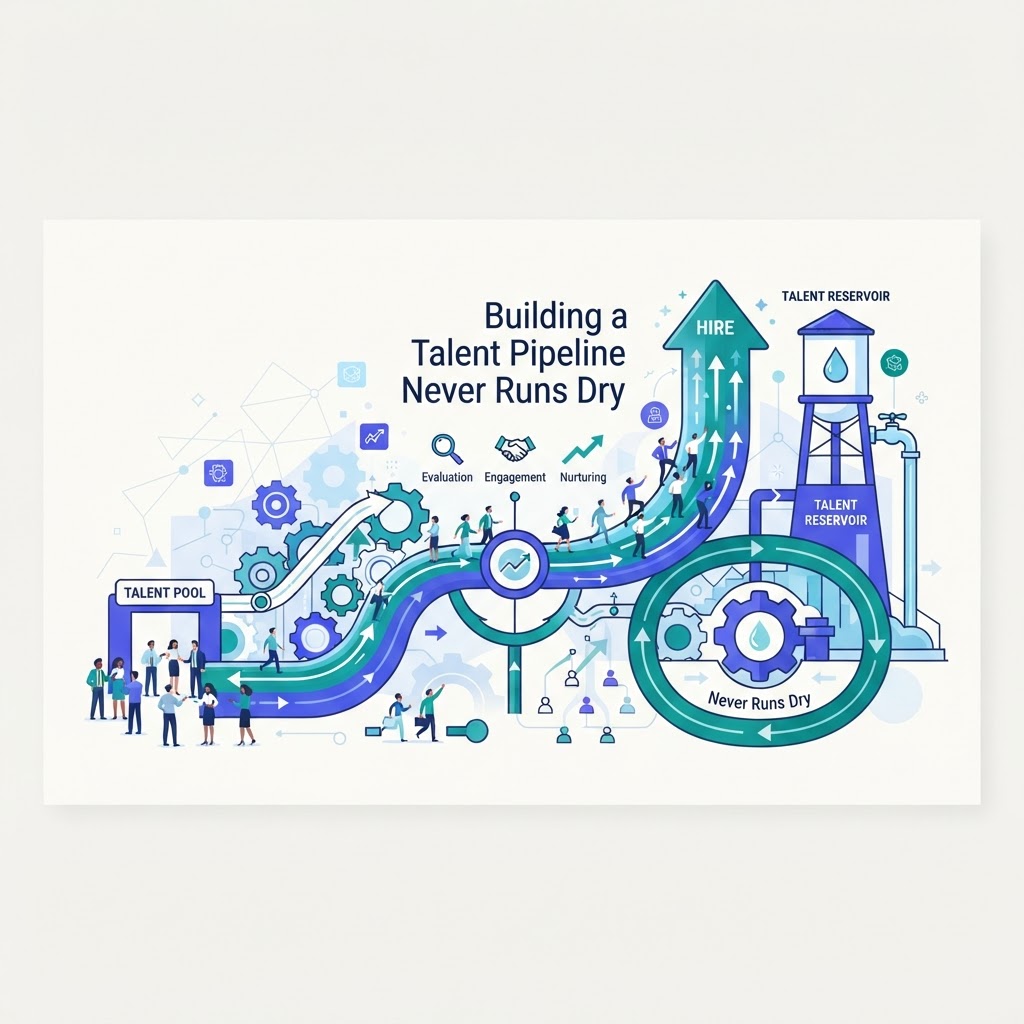
In today’s hyper-competitive job market, speed and relationship management are not just advantages; they are the primary currency of success. Yet, many recruitment agencies and internal teams still rely on a fragmented stack of spreadsheets, email threads, and mental notes to manage their candidate pipeline. This fragmented approach is the leading cause of "talent bleed," where top-tier candidates drop out of the process simply because they feel ignored or forgotten. When you lose a candidate to a lack of communication, you are not just losing a hire; you are losing the billable hours and time invested in sourcing that individual.
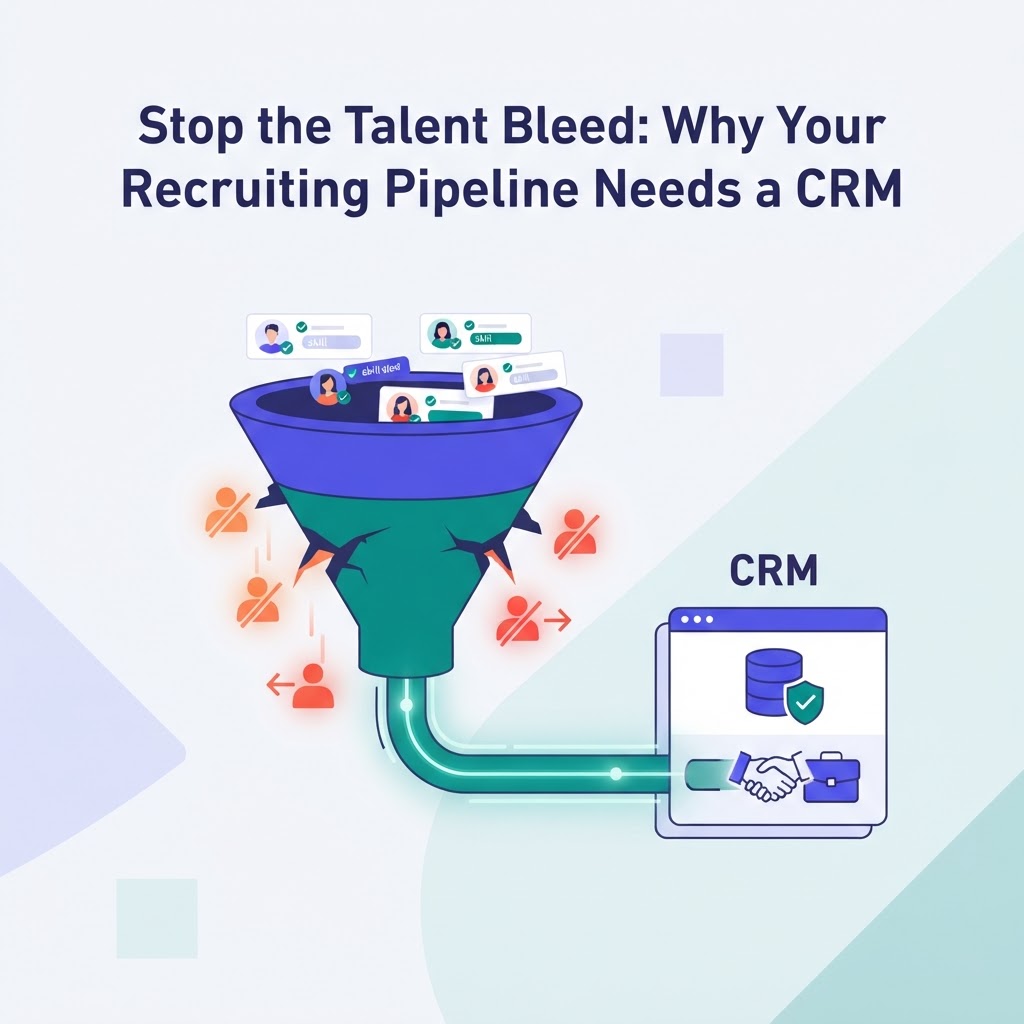
The Silent Killer: Pipeline Leaks
Pipeline leaks occur when a candidate enters your ecosystem but is never effectively ushered toward an offer. Without a centralized tracking system, it is common for a candidate to be interviewed, then ignored for two weeks while the recruiter chases other leads. Data shows that 60% of candidates will quit a process if they feel the communication is too slow or inconsistent. When your recruiting team is juggling dozens of candidates across disparate platforms, critical follow-up tasks inevitably slip through the cracks. This isn't a failure of talent; it is a failure of infrastructure.
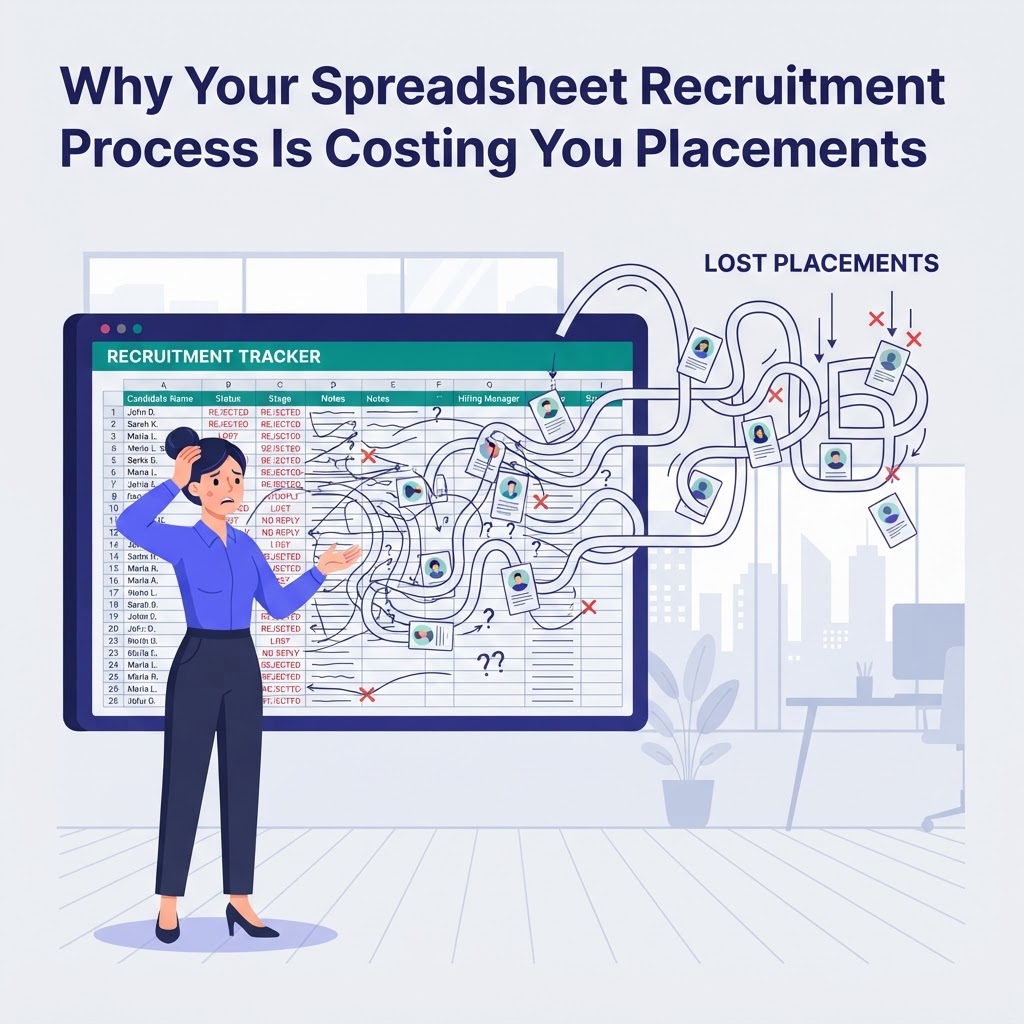
Why Spreadsheets Are Costing You Placements
Many recruiters cling to spreadsheets because they are familiar. However, spreadsheets are static tools in a dynamic environment. They do not send automated reminders, they do not track communication history, and they do not offer deep analytics on where candidates are stalling. If you have 50 candidates in progress, manually updating their status every day takes hours that could be spent on high-level sourcing. By the time you notice a candidate hasn't been contacted in a week, they have already signed an offer with a competitor who prioritized engagement.
The CRM Advantage: Turning Data into Hires
A recruiting CRM like RecruiterCRMFlow acts as the nervous system of your hiring process. Unlike a simple ATS, a CRM focuses on relationship management, ensuring that no candidate ever goes cold. By automating follow-up reminders and centralizing every interaction, a CRM ensures your recruiters are always acting with full context. When a candidate reaches out, the recruiter can instantly see the history of the relationship, allowing for a personalized conversation that builds trust and loyalty.
Automating the Nurture Process
One of the most effective ways to prevent talent bleed is through automated nurturing. Top talent often isn't ready to jump ship the moment you contact them. They might be waiting for a bonus or a project completion. A CRM allows you to set automated nurture sequences—personalized emails and touchpoints that keep your brand top-of-mind over weeks or months. This ensures that when they are finally ready to move, your agency is the first one they call. Without this automation, these long-term leads are almost always forgotten.
Leveraging Analytics to Seal the Leaks
Beyond communication, a CRM provides the data necessary to diagnose your recruiting inefficiencies. Are candidates dropping out after the technical assessment? Are your recruiters spending too much time in the pre-screening phase? A platform like RecruiterCRMFlow provides visual reporting on pipeline velocity, helping you identify exactly where the leaks are occurring. With this data, you can optimize your hiring funnel, reduce time-to-hire, and increase your conversion rates by double digits.
Conclusion: Build a System That Protects Your Assets
The goal of any recruitment strategy should be to protect your most valuable asset: your candidate network. By transitioning from manual, error-prone tracking to a centralized recruiting CRM, you create a professional experience that candidates respect and a streamlined workflow that recruiters appreciate. Stop relying on your inbox and spreadsheets to manage your business. Investing in a robust CRM is the most significant step you can take to stop the talent bleed and ensure your agency remains a market leader.